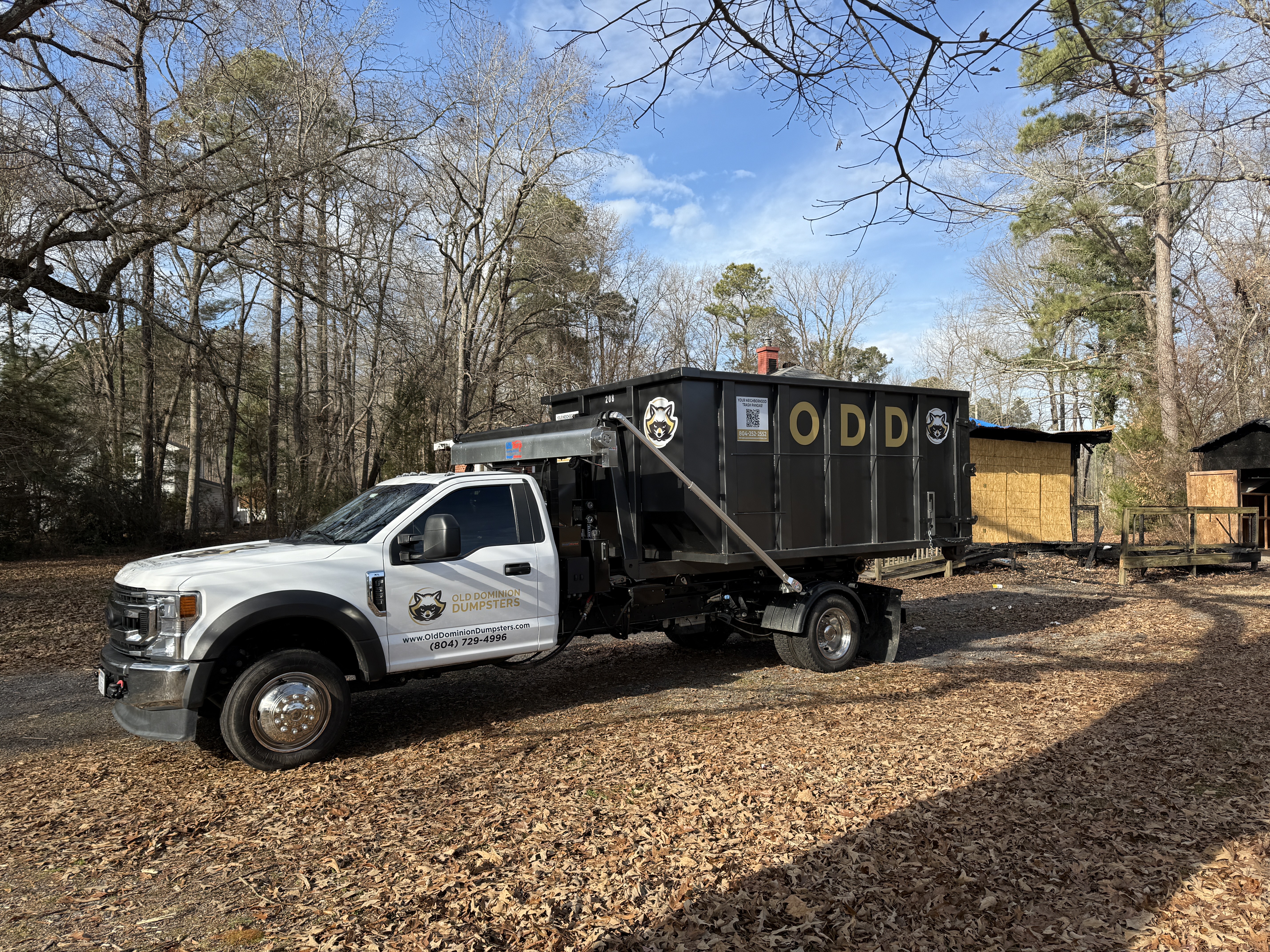
Getting a dumpster rental is one of the easiest methods to handle significant volumes of trash during property cleanups, home upgrades, or renovation efforts. Still, understanding what belongs inside is just as critical as securing a rental. Putting restricted materials in the dumpster can cause service delays, the need for re-sorting, and potential compliance issues with waste management regulations. Being informed saves time and ensures that disposal is handled responsibly.
At Old Dominion Dumpsters, we work to make renting a dumpster simple and efficient by offering detailed instructions on permitted items. When customers understand these guidelines, they can prepare properly to keep the process smooth. Proper preparation also helps maximize space inside the dumpster and encourages safe stacking. Knowing banned items supports environmental responsibility and ensures safe handling for workers and haulers.
Acceptable Household Items
General household junk is usually acceptable for disposal. Items such as old furniture, clothing, paper products, and non-hazardous household trash are generally safe to dispose of. Broken appliances without refrigerants, small décor items, and toys can also be discarded. Such materials are classified as general trash and are processed easily. Grouping these items maximizes space and keeps things neat.
We encourage a quick sort before disposal. Pulling out recyclable items like metal or cardboard can save room. Properly arranging clutter keeps the load stable and safe. This is especially helpful when handling large amounts of general trash from garage or attic cleanouts.
Construction and Remodeling Debris
Construction debris is well-suited for dumpsters. Wood, local dumpster rental drywall, flooring, tiles, and shingles can all go inside. Having one container makes waste collection simple for contractors and homeowners alike. Using a dumpster for this type of debris helps keep the work area organized and improves project efficiency.
Cutting large debris down helps use space efficiently. Flat stacking avoids overflow and stabilizes the load. Sorting by material type makes loading faster and more organized. Well-organized waste removal shortens project timelines.
Outdoor Waste You Can Dispose Of
Yard projects generate a surprising amount of waste, and a rental dumpster can be the perfect solution for getting rid of it. Leaves, branches, shrubs, grass clippings, and other organic materials can be placed inside without issue. Even small amounts of dirt and landscaping debris are usually acceptable, provided they are free of contaminants. Having one container for yard debris simplifies seasonal cleanups.
Start with heavy limbs at the bottom, then add lighter debris. Layering avoids wasted space and ensures an even fill. Removing yard debris quickly makes outdoor projects finish faster. Maintaining a tidy yard boosts curb appeal and functionality.
Prohibited Dumpster Materials
Some items are strictly forbidden in a dumpster due to safety and legal regulations. Items like chemicals, paint, pesticides, solvents, and flammable liquids cannot go in the dumpster. Batteries, electronics, and medical waste must also be handled through specialized disposal methods. These materials can pose a risk to sanitation workers, damage equipment, and contaminate disposal facilities if not handled correctly.
It is recommended to check prohibited items before loading to prevent issues. Asking ahead about questionable materials prevents mistakes. Being careful avoids delays and ensures compliance with regulations. Planning ahead minimizes extra work and keeps projects on schedule.
Tips for Efficient Dumpster Loading
Efficient loading techniques help customers get the most value out of their dumpster rental. Stacking heavy items first and light items above ensures a safe load. Dismantling large furniture or cabinets helps maximize space. Organizing debris properly prevents overfilling and allows for maximum capacity.
Balanced loads reduce the risk of uneven hauling. Even weight distribution prevents tipping and improves safety. Loading carefully also keeps the area around the dumpster clean and reduces the need for extra cleanup after pickup. Following these loading techniques improves safety and efficiency.
Following Dumpster Regulations
Adhering to dumpster rules supports safety and community welfare. When prohibited materials are kept out of the dumpster, it protects the environment and prevents harm to disposal facility workers. Correct disposal ensures services operate efficiently and prevents rejected loads.
Adhering to regulations ensures a more sustainable environment. By working together, we ensure that waste is managed responsibly and sustainably. Following these rules also reduces the risk of fines or penalties for improper disposal. Waste management responsibility begins with awareness of restrictions.
Responsible Dumpster Use
Effective use of a dumpster requires awareness of permitted materials. Properly disposing of household, yard, and construction debris keeps projects manageable. Excluding prohibited materials ensures safe and legal disposal.
Old Dominion Dumpsters ensures smooth and responsible dumpster use. By following proper loading techniques and respecting disposal guidelines, customers get the most out of their rental experience. Responsible use of a dumpster leads to cleaner spaces and more successful projects from start to finish.
Comments on “What You Can and Can’t Put in a Rental Dumpster”